
Why Every Woman Should Start Strength Training — And Why It Matters Even More With Age
Quick answer: Strength training is one of the most important things a woman can do for long-term health. Starting around age 30, women naturally lose muscle mass and bone density, a decline that speeds up after menopause. Lifting weights 2–3 times a week directly counters this by building lean muscle, protecting bone density, boosting metabolism, and preserving the functional strength needed to stay independent later in life. It's never too late to start, and the benefits compound the earlier you begin.
For decades, the fitness advice handed to women was some version of "stay light, stay lean, and stick to cardio." Lift weights and you'll get "bulky." Steer clear of the barbell section. That advice was wrong then, and the research on strength training for women has only gotten louder since. If you're a woman wondering whether to start lifting weights — at 25, 45, or 65 — the short answer is yes, and the earlier the better.
Here's why strength training belongs at the center of every woman's fitness routine, not on the sidelines.
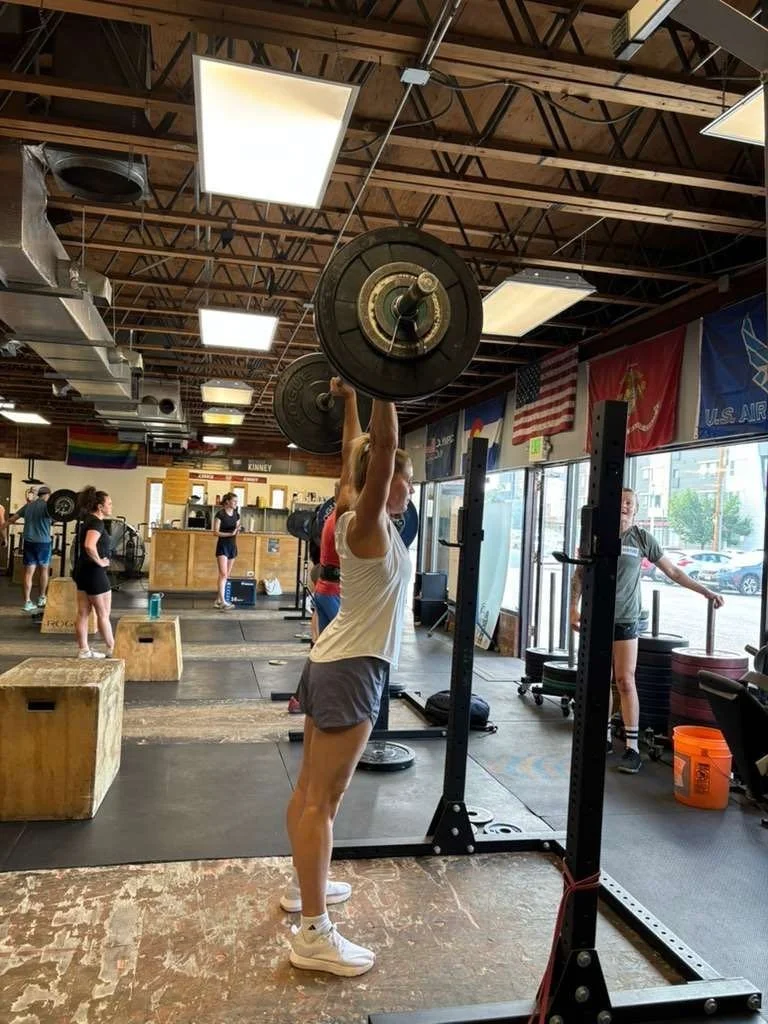
Will Lifting Weights Make Women Bulky?
No. Women do not have the testosterone levels needed to build large amounts of muscle mass quickly. What strength training actually builds in women is lean muscle, better posture, a faster metabolism, and a body that moves with more confidence and control. "Toned" is just another word for muscle with lower body fat covering it — and you don't get there through cardio alone. You get there by lifting.
Why Does Strength Training Matter More As Women Age?
Starting around age 30, women naturally begin to lose muscle mass — a process called sarcopenia — and that loss accelerates after menopause as estrogen declines. Left unaddressed, this shows up as:
Lower bone density, increasing the risk of osteoporosis and fractures
Slower metabolism, since muscle burns more resting energy than fat
Reduced functional strength for everyday tasks like carrying groceries, climbing stairs, or getting up off the floor
Increased fall risk later in life, tied directly to loss of strength and balance
Strength training directly counters all of it. Resistance training is one of the most effective tools available for preserving bone density, maintaining muscle mass, and protecting long-term independence as women age. It's not just about how you look — it's about how well you'll move at 60, 70, and 80.
What Are the Benefits of Strength Training for Women?
Stronger bones. Weight-bearing exercise stimulates bone remodeling, which helps offset the bone density loss that accelerates after menopause.
Better hormone and metabolic health. Strength training improves insulin sensitivity and supports healthier hormone balance, which matters through every life stage — including perimenopause and menopause, when metabolism and mood can both shift.
Improved mental health. Lifting weights has been shown to reduce symptoms of anxiety and depression, and the confidence that comes from getting physically stronger tends to carry into every other part of life.
Functional independence. Squats, deadlifts, carries, and presses train the exact movement patterns relied on every day — getting off the couch, lifting a suitcase into an overhead bin, carrying a child, picking something up off the floor without back pain.
How Should a Woman Start Strength Training?
The hardest part of strength training is usually just starting, especially if barbells and squat racks feel intimidating. A few things that make it easier:
Start with the basics. Squats, hinges (deadlifts), pushes, pulls, and carries cover almost everything needed.
Coaching beats guessing. Good form matters more than heavy weight at the start — a coach can get you lifting safely and effectively much faster than trial and error.
Progress gradually. Strength builds over months and years, not days. Consistency beats intensity, especially early on.
Community helps you stick with it. Training alongside other women who are building strength together makes the process less intimidating and a lot more fun.
Frequently Asked Questions
Is it too late to start strength training in my 40s or 50s? No. Muscle and bone respond to resistance training at any age. Studies on women starting strength training later in life consistently show gains in muscle mass, bone density, and functional strength within just a few months of consistent training.
How often should women lift weights? Most women see strong results training with resistance 2–3 times per week, allowing at least one rest day between sessions targeting the same muscle groups.
Does strength training help with menopause symptoms? Yes. Strength training supports metabolic health, bone density, and mood — three areas commonly affected during perimenopause and menopause — making it one of the most recommended forms of exercise during this life stage.
Can strength training prevent osteoporosis? Weight-bearing and resistance exercise is one of the most effective non-medical tools for slowing bone density loss and reducing osteoporosis risk, particularly when started before or during the years around menopause.
It's Never Too Late to Start
Whether you're 25 and just getting into fitness, or 55 and re-evaluating your routine after menopause, the research is consistent: strength training is one of the best long-term investments you can make in your body. It builds the muscle, bone density, and functional capacity that carry you through every decade ahead — not just the next one.
If you've been curious about lifting but didn't know where to begin, come try a class with us. Our coaches specialize in helping women build strength from wherever they're starting, with programming designed to grow with you for the long haul.